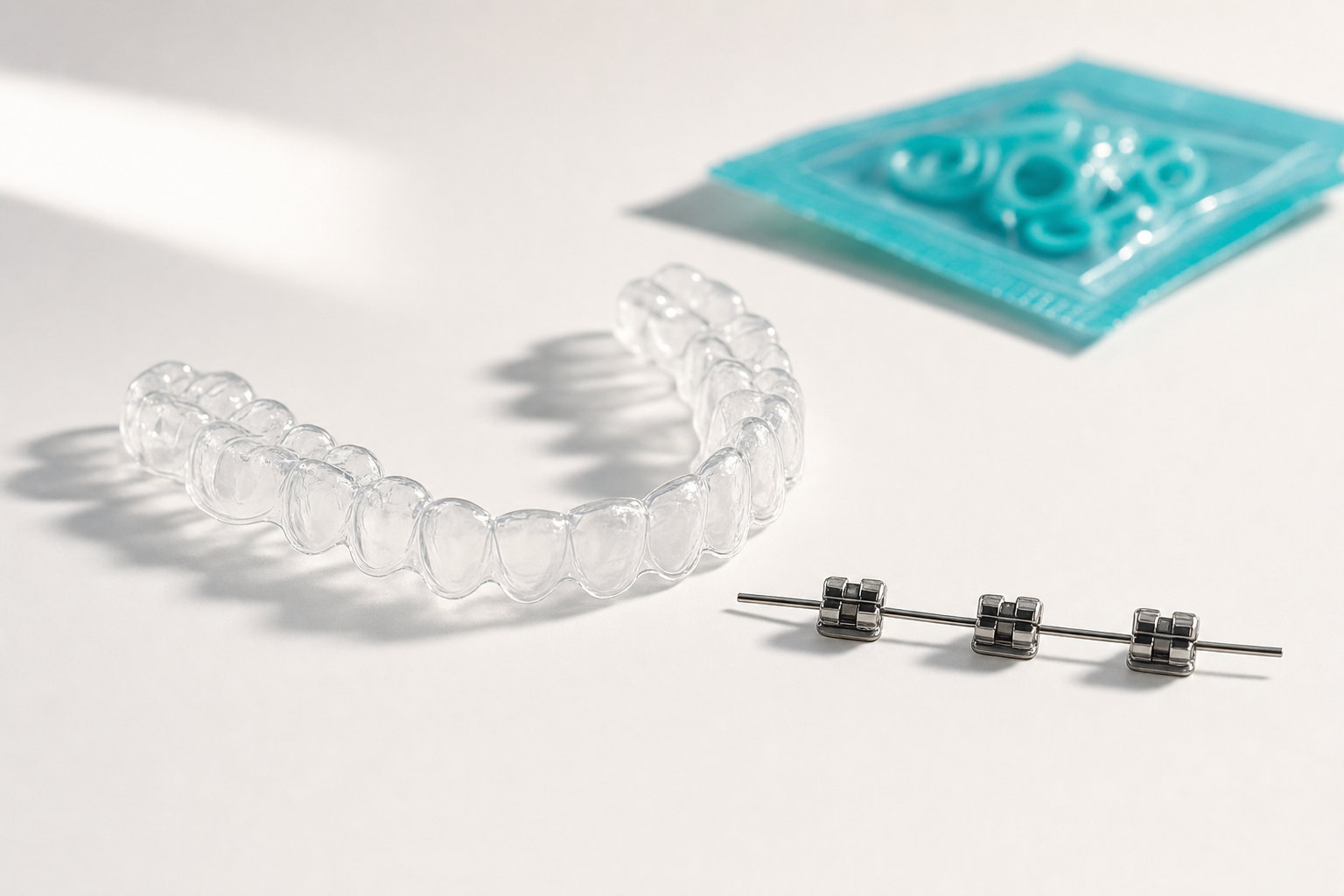
Orthodontic treatments have become increasingly common among adults, with benefits that extend beyond appearance. Choosing between clear aligners and traditional braces requires considering comfort, lifestyle needs, and long-term dental health. Understanding the differences allows adults to make informed decisions about their orthodontic care.
More adults are seeking orthodontic solutions to improve dental alignment for oral health reasons or to enhance their smile. The decision to begin orthodontic treatment can influence confidence at work, social interactions, and everyday routines. Modern adults often look for options that integrate smoothly with their lifestyles and responsibilities. Peterborough orthodontists frequently encounter patients who are weighing factors that go further than basic dental function, making this a meaningful and individualised choice.
Clear aligners: how they work and who they suit
Clear aligners consist of custom-made plastic trays designed to fit closely over the teeth. These trays apply gentle pressure to encourage gradual tooth movement. Each set of aligners is usually worn for about two weeks before moving on to the next, and most treatment plans recommend wearing them 20 to 22 hours a day, removing them only for eating and cleaning.Clear aligners are typically most effective for adults with mild to moderate alignment issues. Many appreciate their nearly invisible appearance and the convenience of removal for special occasions or daily necessities. However, successful outcomes depend on consistently wearing the trays as instructed throughout the course of treatment.
Traditional braces: suitability and mechanisms explained
Traditional braces use metal or ceramic brackets bonded to the teeth and connected by wires. Orthodontists periodically adjust the wires to carefully direct tooth movement. The braces remain in place throughout the entire treatment timeframe, providing continuous correction.For adults who have more complex bite or alignment cases, traditional braces are often recommended, especially when significant movement in several directions is necessary. Because these braces cannot be removed by the patient, they help prevent lapses in treatment that could occur due to forgetting or inconsistent use, supporting stable and predictable progress.
Appearance, daily life, and comfort considerations
The visibility of orthodontic appliances is often a key factor for adult patients. Clear aligners are nearly undetectable, which many find appealing for professional and social settings. Traditional braces, although more visible, have been improved over time with smaller brackets and materials that reduce their visual impact compared to previous generations.Some initial discomfort is common with both types of orthodontic treatment as your mouth adjusts. Clear aligners might cause an increase in saliva or create mild pressure, while traditional braces can sometimes cause irritation to the inner cheeks and lips. These effects often become less noticeable as you adapt to the treatment over time.
Oral hygiene, food choices, and long-term upkeep
Maintaining good oral hygiene is important during orthodontic treatment. Removable clear aligner trays make brushing and flossing easier because you can follow your usual dental care routine. With traditional braces, cleaning requires extra tools, such as floss threaders and interdental brushes, to reach around brackets and wires, and may take additional time and care to prevent plaque build-up.Dietary habits may need to change with orthodontic appliances. Clear aligners must be removed before eating or drinking anything except water. With traditional braces, hard or sticky foods can damage brackets and wires, so adjustments to diet are often necessary. Some adults, such as athletes or musicians, might prefer clear aligners because removal can offer more flexibility for specific activities.
The duration of treatment for both systems depends on the complexity of tooth movement needed and adherence to instructions. Aligners offer convenience but require consistent wear to stay on schedule, while braces continue working without the need for patient reminders. After active treatment concludes, both methods require the ongoing use of retainers at night to keep teeth in their new position. Regular use of retainers and attending scheduled reviews help maintain the results over the long term.
Deciding between clear aligners and traditional braces involves evaluating personal dental needs, lifestyle, and the level of flexibility desired in day-to-day life. Understanding these options enables adults to make decisions that balance comfort, priorities, and dental requirements. If sudden discomfort, swelling, or dental trauma occurs while in treatment, prompt support from an emergency dentist in Weybridge may help manage urgent issues until further consultation can be arranged with your regular provider.













No comments